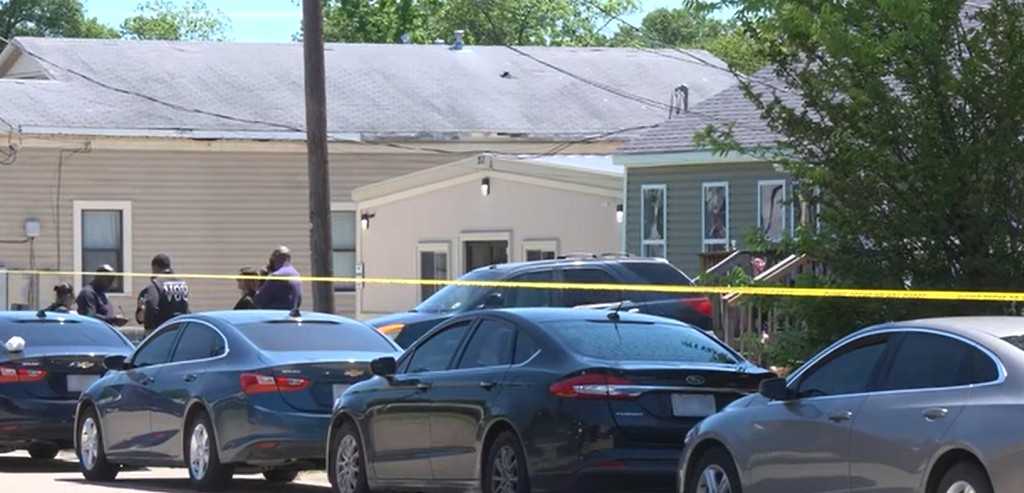
After Saturday’s devastating mass shooting in Shreveport, local mental health experts spoke with WDSU about the lasting effects of traumatic events and how healing can be achievable.
Gary McDaniel, Licensed Clinical Social Worker and Board Approved Clinical Supervisor at Atlas Psychiatry in New Orleans, said it’s important to rely on others for support and fight the common urge to shut people out.
“When something like this happens, it pushes us out of connection and into protection, so we start to isolate,” said McDaniel, “But the very thing we need to heal is connection.”
Part of enforcing connection is establishing trauma-informed environments in schools, places of worship, and work. Trauma-informed environments involve safe spaces and respectful communication to ensure that psychosocial, emotional, and physical needs are universally met.
“Even though trauma changes the brain in very harmful and destructive ways, the fact that the brain can be changed is also the good news,” said McDaniel, “If the brain can be changed, the brain can be changed. So by creating trauma-informed environments, we can start to help a community, a family, an individual heal, and come back into connection with one another.”
State leaders are also reminding Louisianans to never hesitate to seek help.
On Monday, Gov. Jeff Landry and Louisiana Department of Health (LDH) Secretary Bruce D. Greenstein both encouraged residents to call or text Louisiana988, which connects individuals to resources and is available 24/7 for any level of emotional distress.
Another resource is National Alliance on Mental Illness (NAMI), with multiple hotlines available. For more information, click here.
READ MORE:Shreveport mass shooting highlights need for trauma informed healing