Louisiana drivers are dealing with one of the highest periods in history to buy gas, and although the Strait of Hormuz opened on Friday, experts told WDSU the road to cheaper fuel is not immediate.
“The response is not a light switch,” said Eric Smith, Tulane business professor and associate director of the Tulane Energy Institute, “Even if the ships start moving, you need to move something like 100 ships a day, in and out. And it’s going to take a while for those ships to, once they clear the Strait of Hormuz, to travel for anywhere from 40 to 60 days to get to their destination.”
Smith elaborated on how other countries will see more of a direct impact, as the U.S. relies on Canada for a majority of its crude oil.
“I would think that you’ll see some positive impact on fuel prices at the pump in places like China and Japan and Korea, probably in the next month or two, because that’s where most of their crude comes from, is the Middle East,” he said.
According to Smith, the most change the United States might see at the pump is a .10 to .20 cent decrease over the next few weeks.
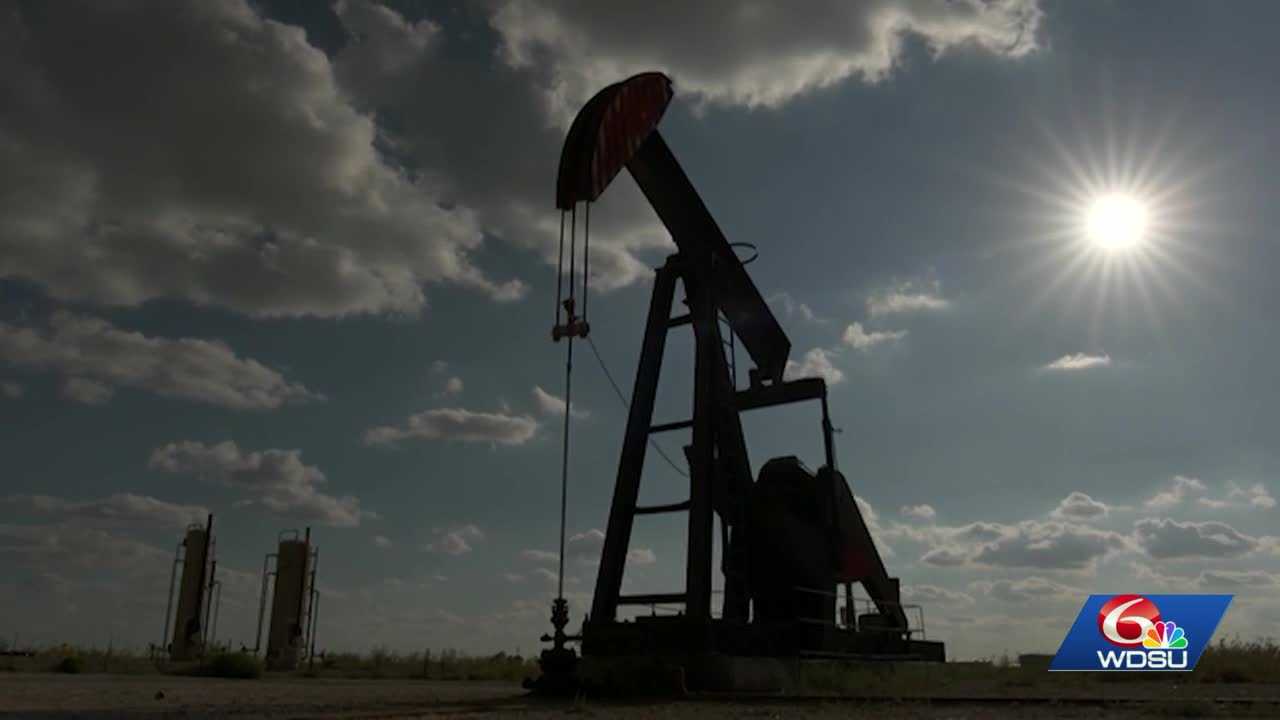
Friday’s data from West Texas Intermediate showed that crude oil futures are down to about $83 per barrel, a drop from the $117 cost during the Strait’s closure.