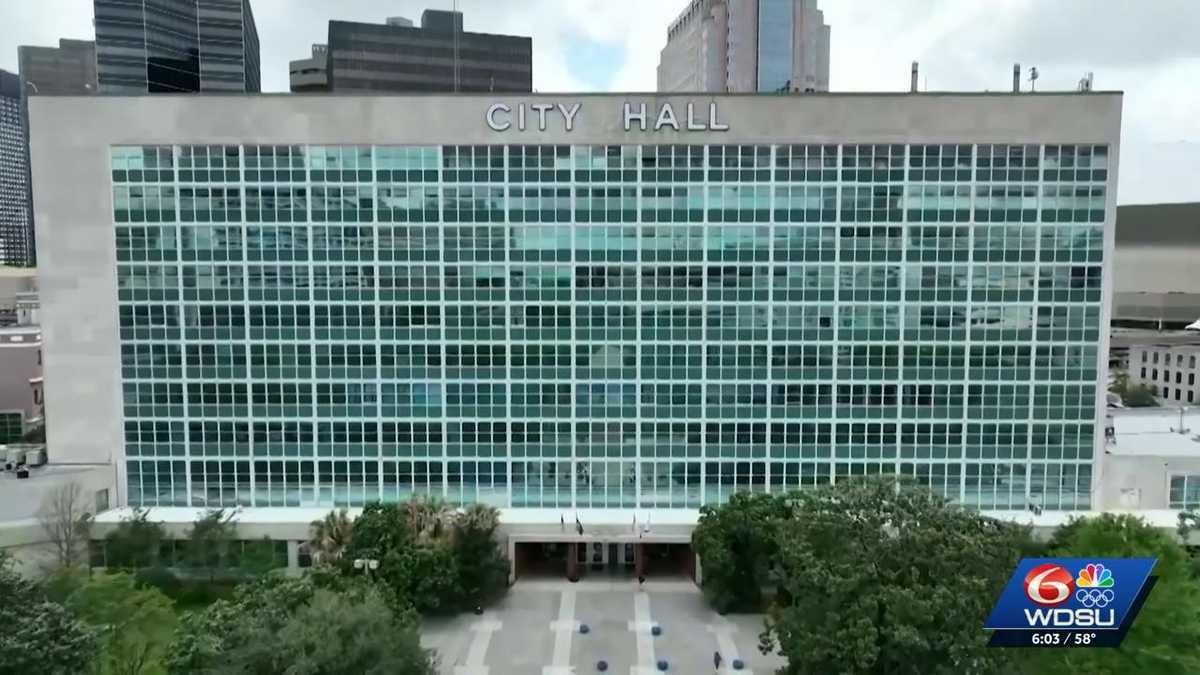
The City of New Orleans spends $1.4 million a year on software to track its vehicle fleet, but the system was installed in only 62% of the vehicles, according to a new report from the city’s Office of Inspector General.
The report says privacy concerns kept the software off nearly 40% of the city’s 2,577 vehicles. About 64% of the vehicles without it were police vehicles. The OIG estimated the city wasted nearly $500,000 on unused software licenses, leaving gaps in oversight.
The software can track vehicle locations with GPS, monitor driver behavior and provide maintenance alerts. The OIG said employees and police unions raised concerns about tracking workers’ movements. The report also noted that the New Orleans Police Department had a way to track officers, but those systems were tied to officers, not city-owned vehicles.
The evaluation found progress, too. The Equipment Maintenance Division developed a fleet management information system that improved controls over fuel cards and PINs. It also established a vehicle allocation method. But staff did not consistently enter maintenance and repair data into the system, the report found.
The OIG also raised concerns about how the city hired an auction company to sell surplus vehicles. The EMD used a micro-purchase process to hire J.J. Kane Auctions in late 2025. The report says the process was allowed under city policy and the department obtained three quotes, but the contract was not competitively bid.
The city did not pay a seller’s fee, but buyers paid the auction house a 17% commission. In two auctions in early 2026, J.J. Kane sold 84 city vehicles for $169,625 and collected about $28,836 in buyer fees. The OIG estimated the company could earn about $93,000 if the EMD sold a similar number of vehicles in 2026 as it did in 2024.
The OIG recommended that the city use competitive bids for contracts when the estimated value to a vendor significantly exceeds the purchasing threshold, even if the city’s direct cost is low.
The report reviewed EMD operations from January through December 2024 and also discussed policies and procedures implemented through March 2026. The EMD accepted two of the OIG’s three recommendations and said work had begun to address some findings.
“The City’s vehicle fleet represents nearly $80 million in essential public assets,” Inspector General Edward Michel said in the report. He said stronger management and oversight are needed to protect those assets and reduce the risk of fraud, waste and abuse.
Read the full report here.
READ MORE:New OIG report urges stronger oversight of New Orleans city vehicles